by Päivi Raivio
Cold, dark, snow, ice — and brown slush. Winter weather has its ups and downs, its wonders and its obstacles. But what makes a good public space when these are the conditions? How can cities stay welcoming, active and neighbourly all year around? And who needs it the most?
Urban structures differ vastly from city to city — yet there is also a great deal in common, and a deep, shared understanding of what winter weather can ask of us. More and more cities are now working towards year-round liveability, recognising that creating vibrant public spaces cannot stop when the temperature drops. Cities like Montreal are leading the way — not just surviving winter, but celebrating it, turning its challenges into an asset and inspiring others to do the same.
Lumino Pro — New Ideas, Sharing Learnings and Creating the Energy for Change
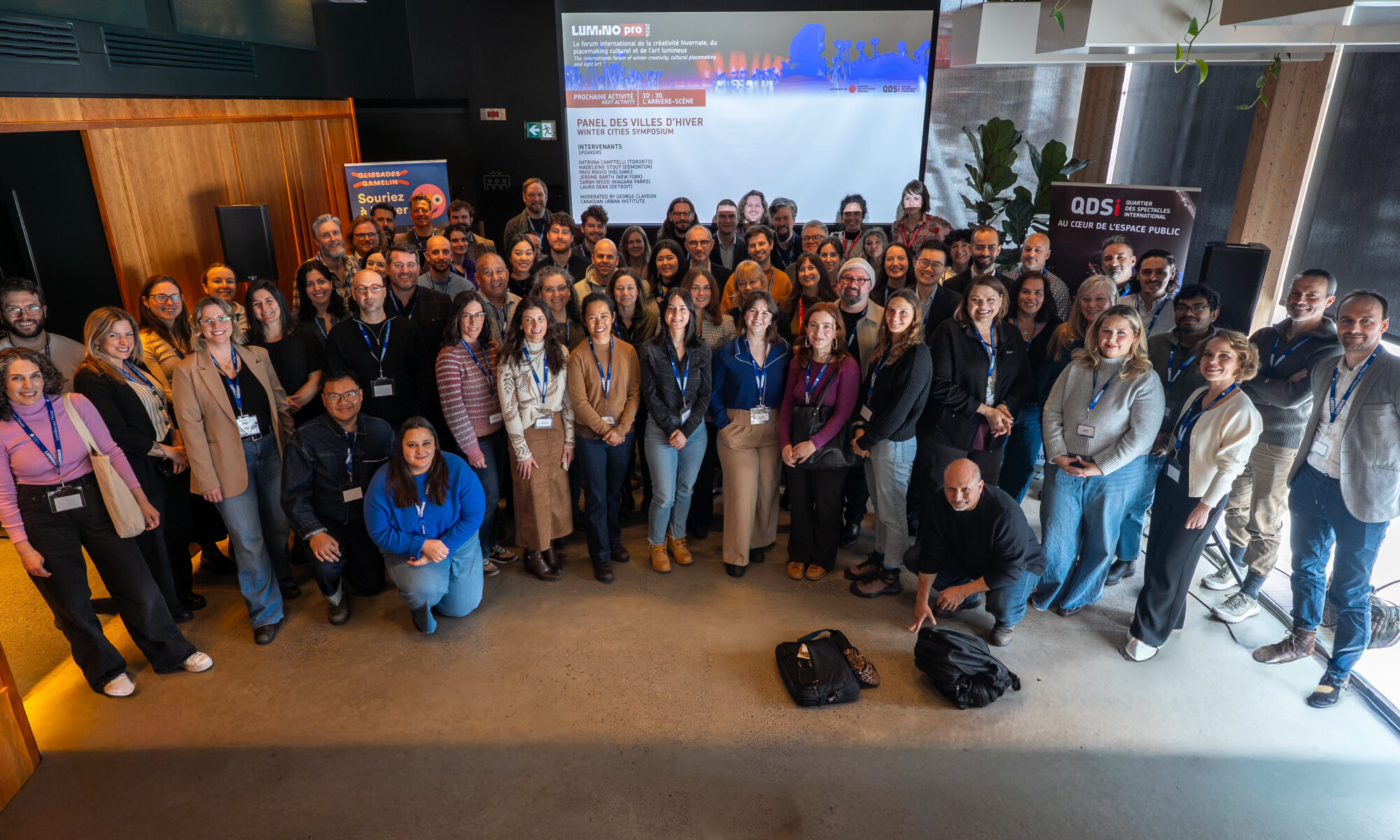
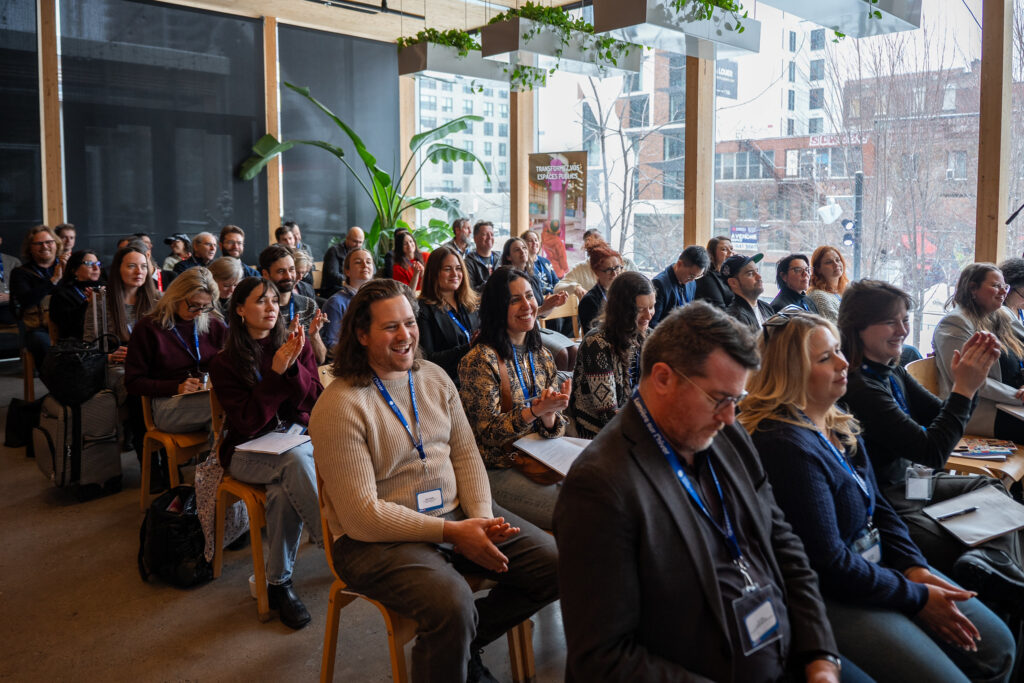
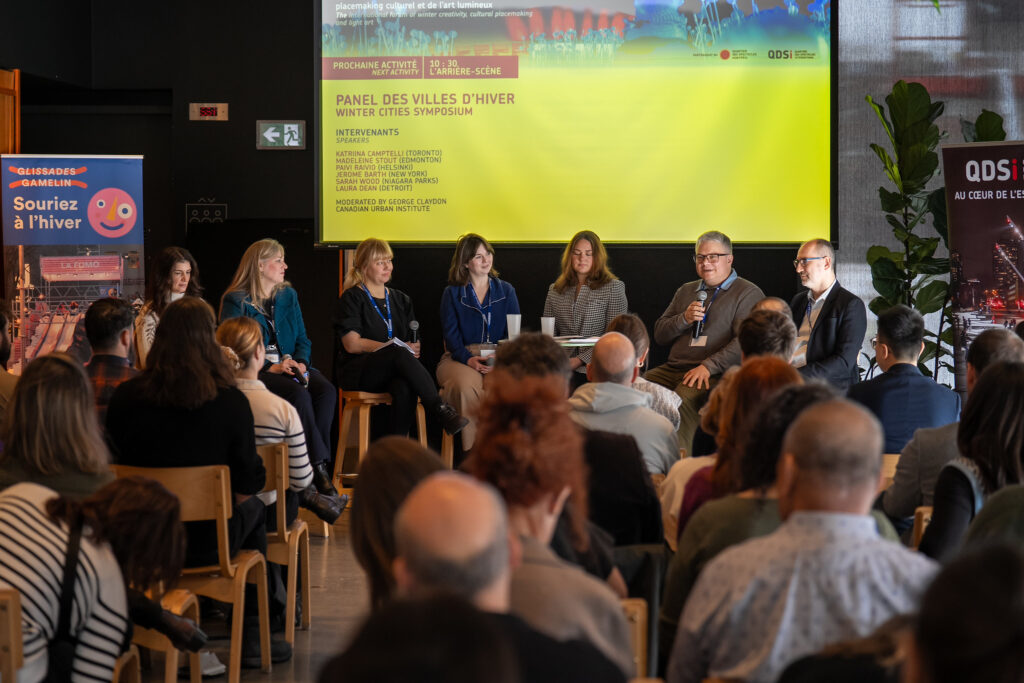
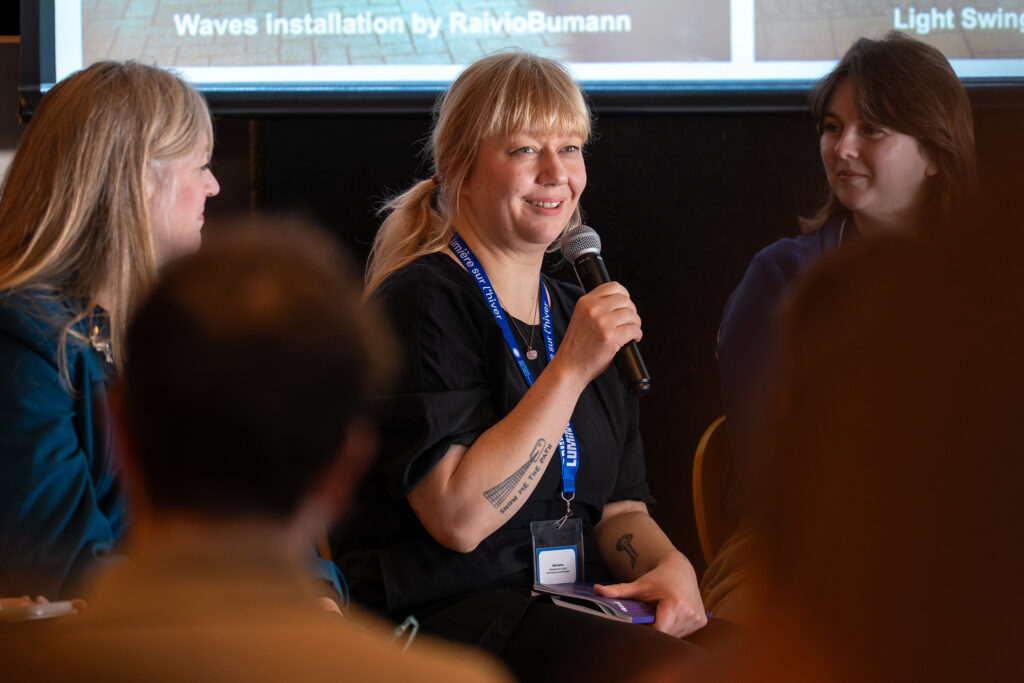
Lumino Pro is a symposium produced and organised by Quartier des Spectacles International and QDS Partnership over three days in February 2026 – is an international forum dedicated to transforming winter into a cultural high season through innovative uses of public space, placemaking and light art. I had the great privilege of being invited to share my knowledge and ideas from years of working with urban experiments, winter placemaking and participatory approaches to everyday environments in the Nordic context.
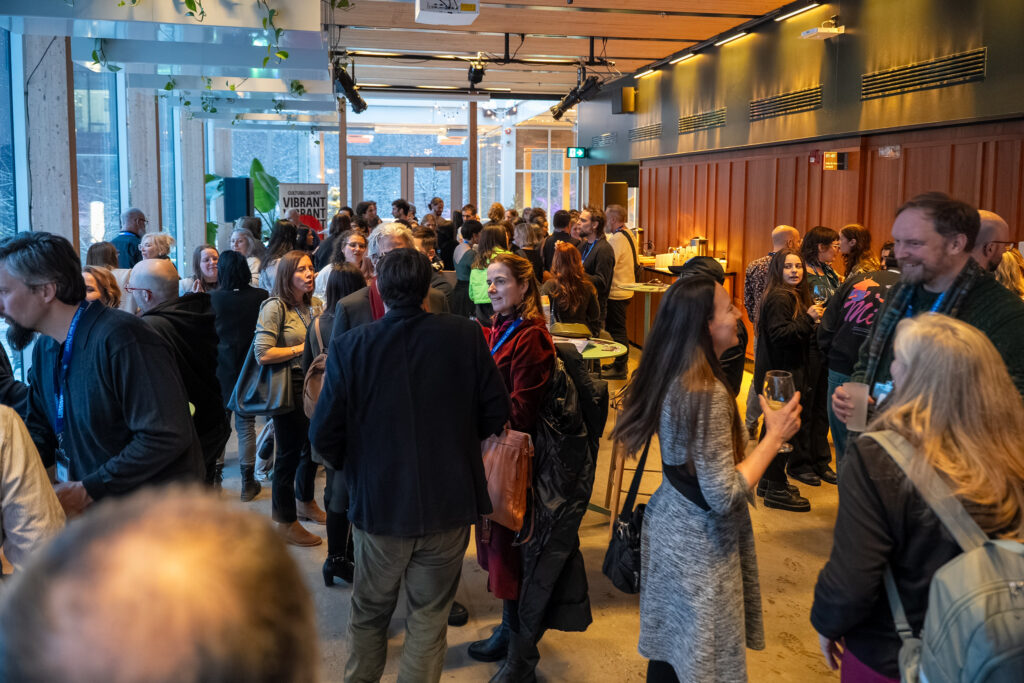
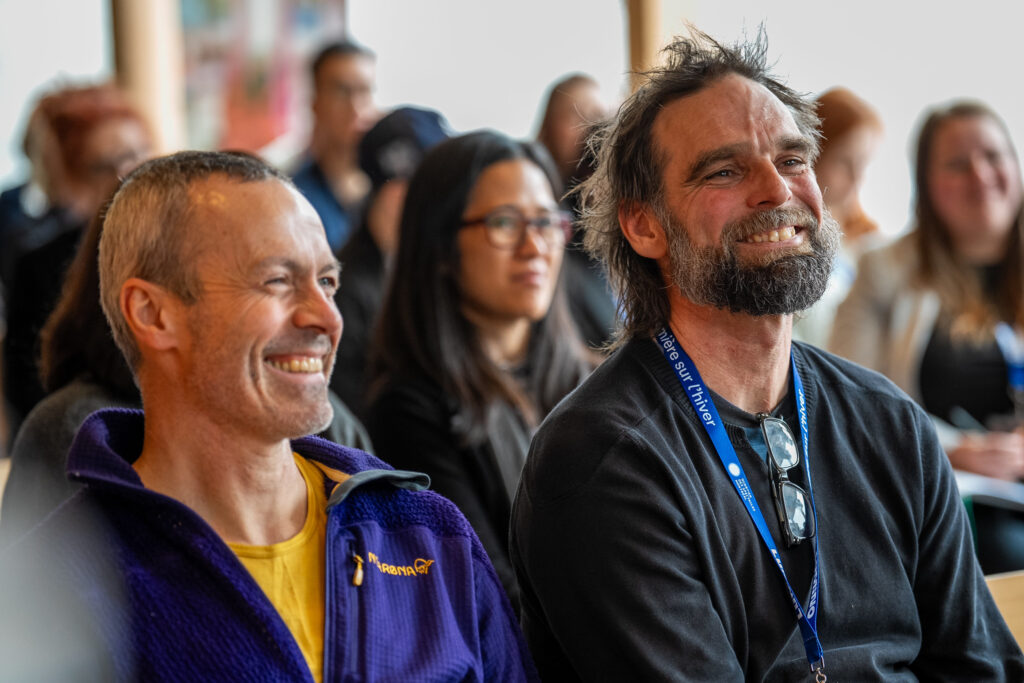
The symposium brought together 60 professionals from across Canadian cities, with participants also joining from the US, Norway, Sweden and Finland – myself and the artistic director of LUX Helsinki Juha Rouhikoski. As it turned out, the event was far more popular than anticipated — 120 people ended up coming through the doors, whether for a single session or the full symposium.
Montreal — A City Celebrating Winter
Before the symposium began, I had a couple of days to explore the city — and Montreal did not disappoint.
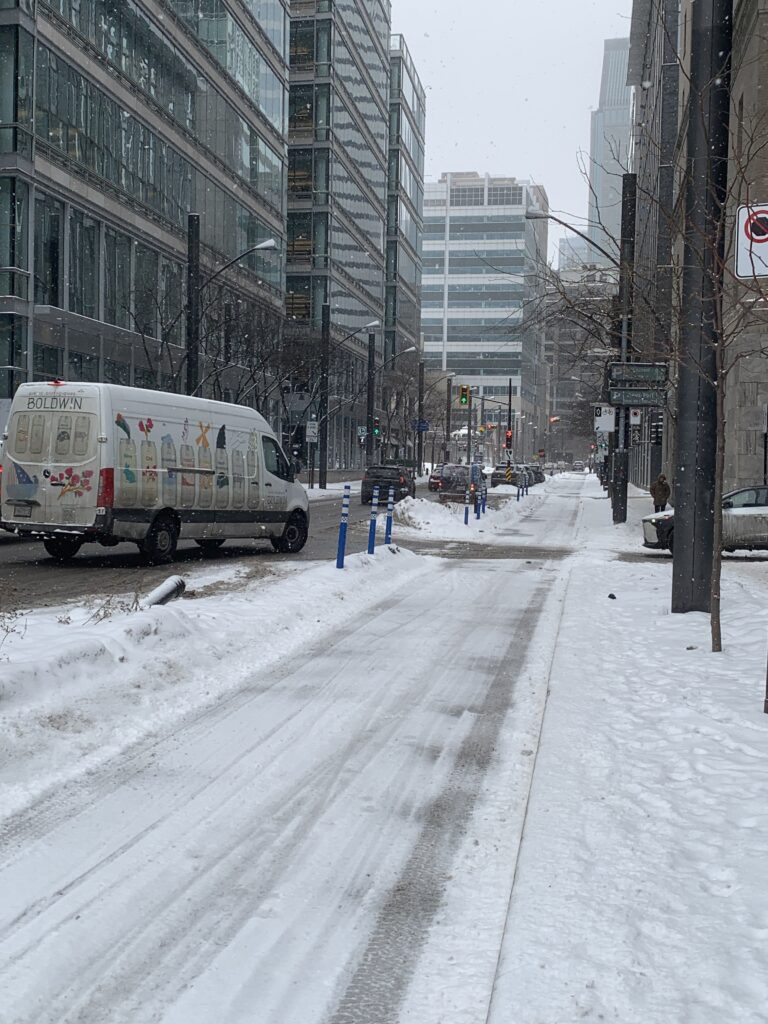
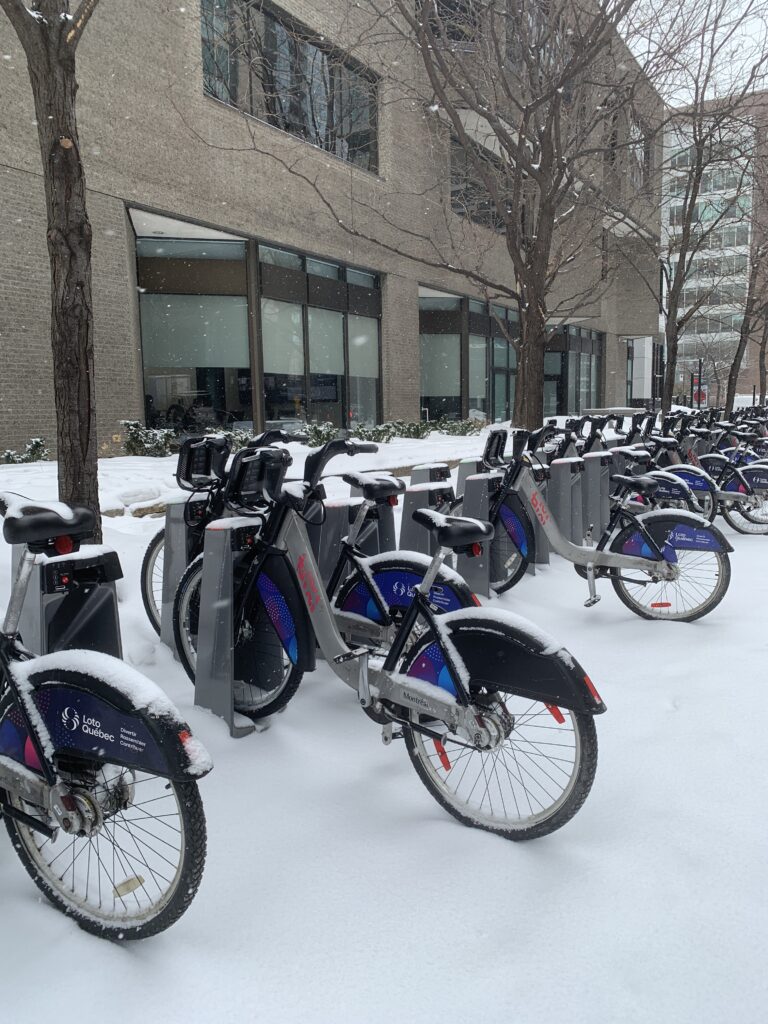
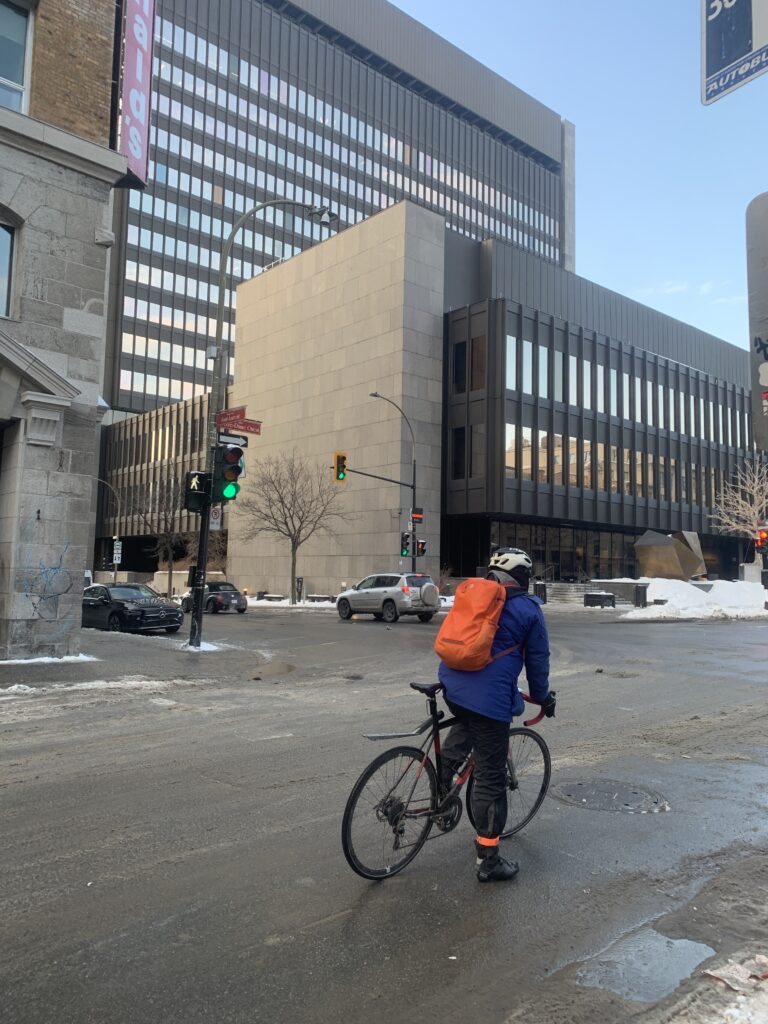
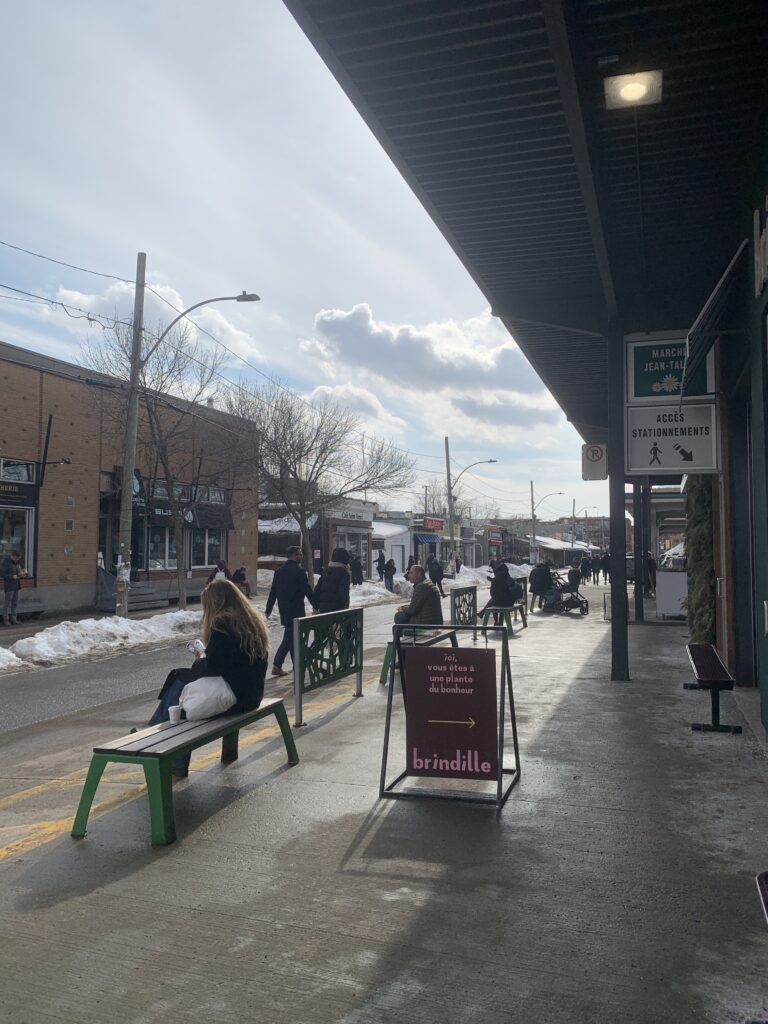
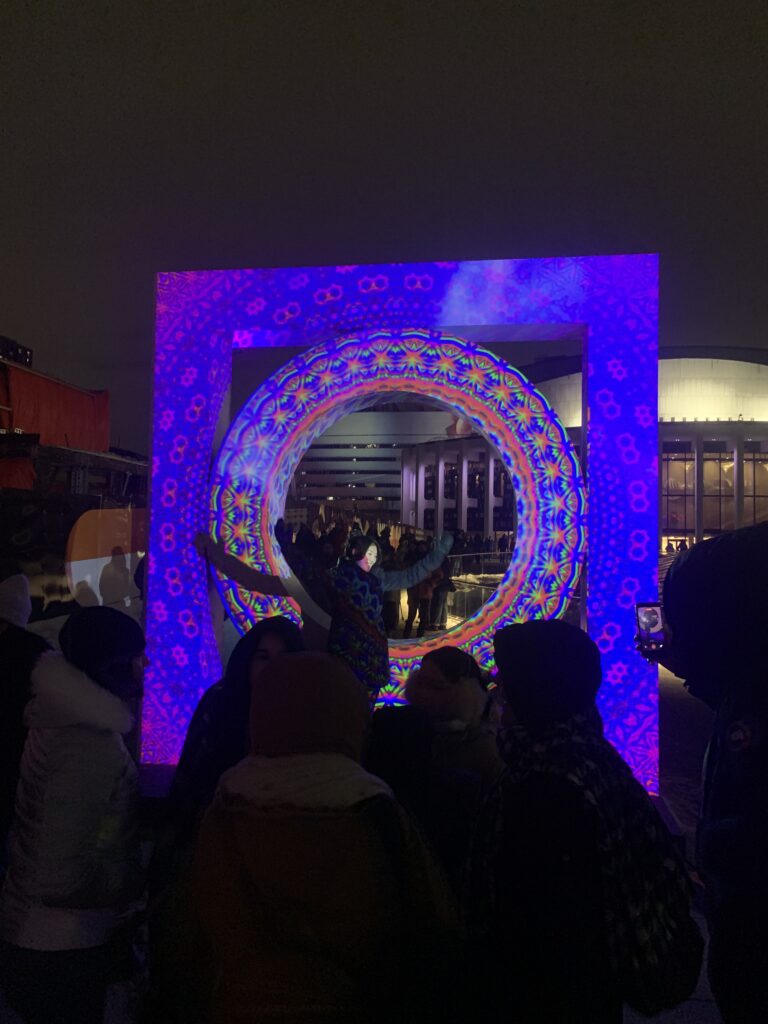
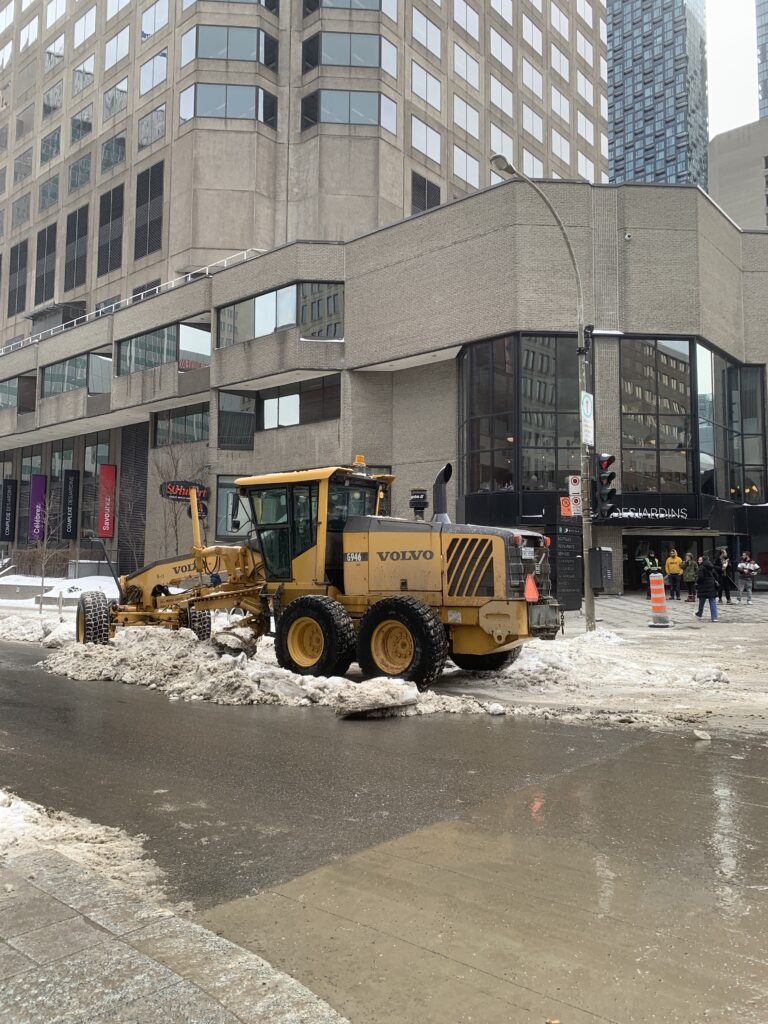
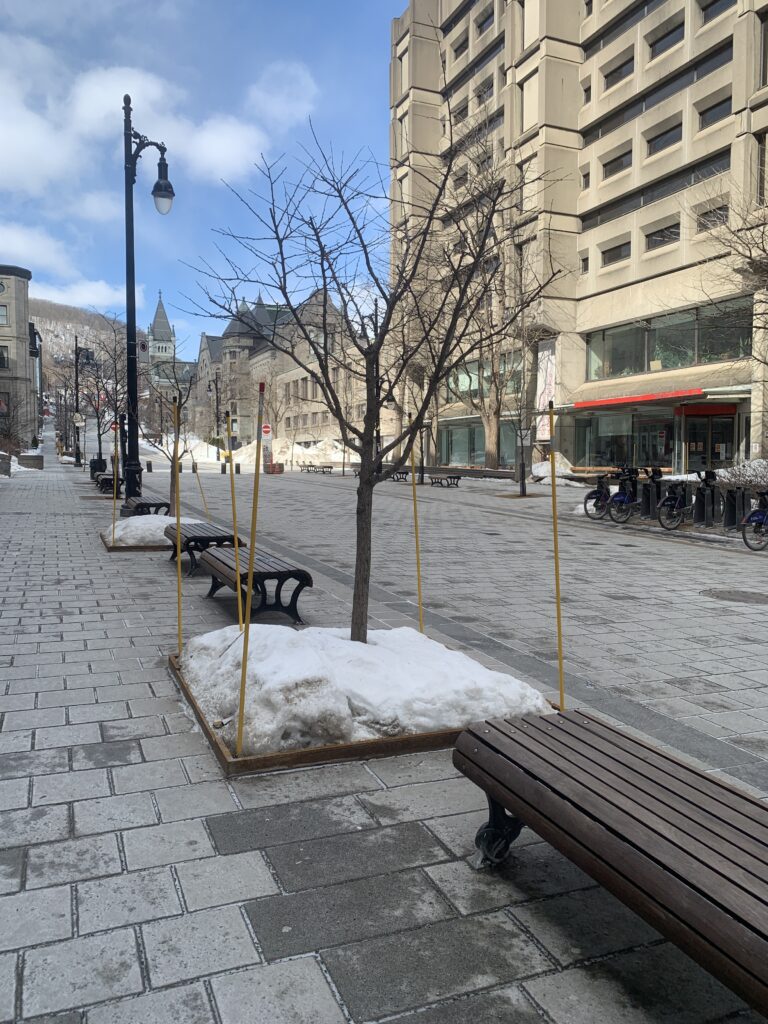
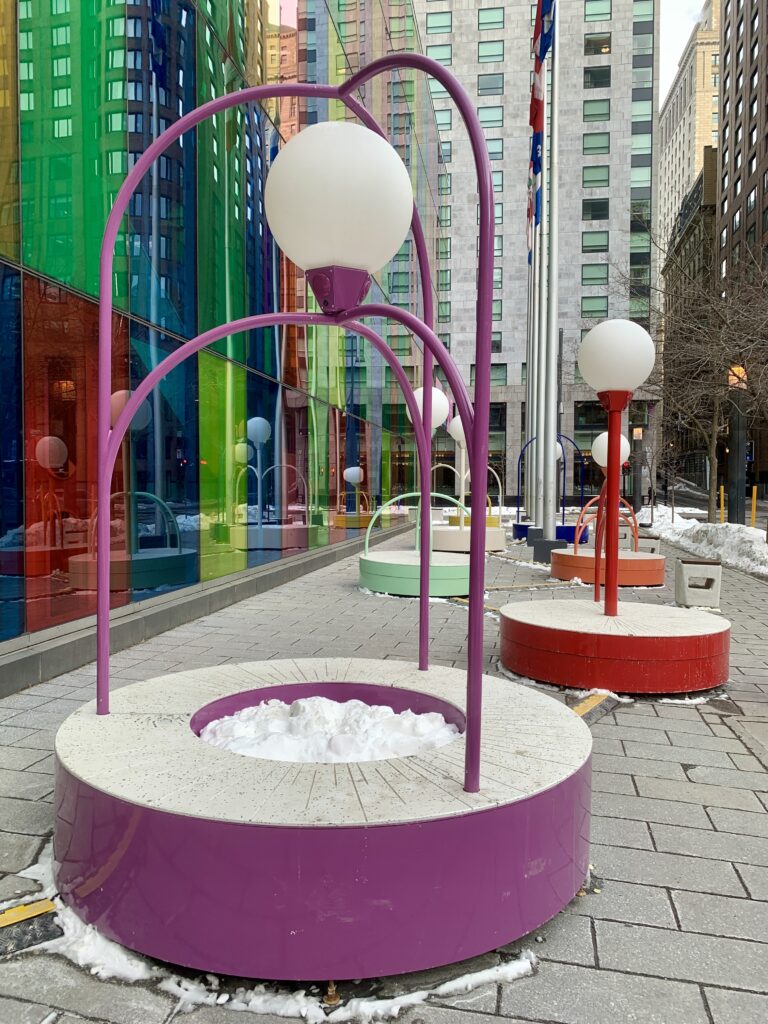
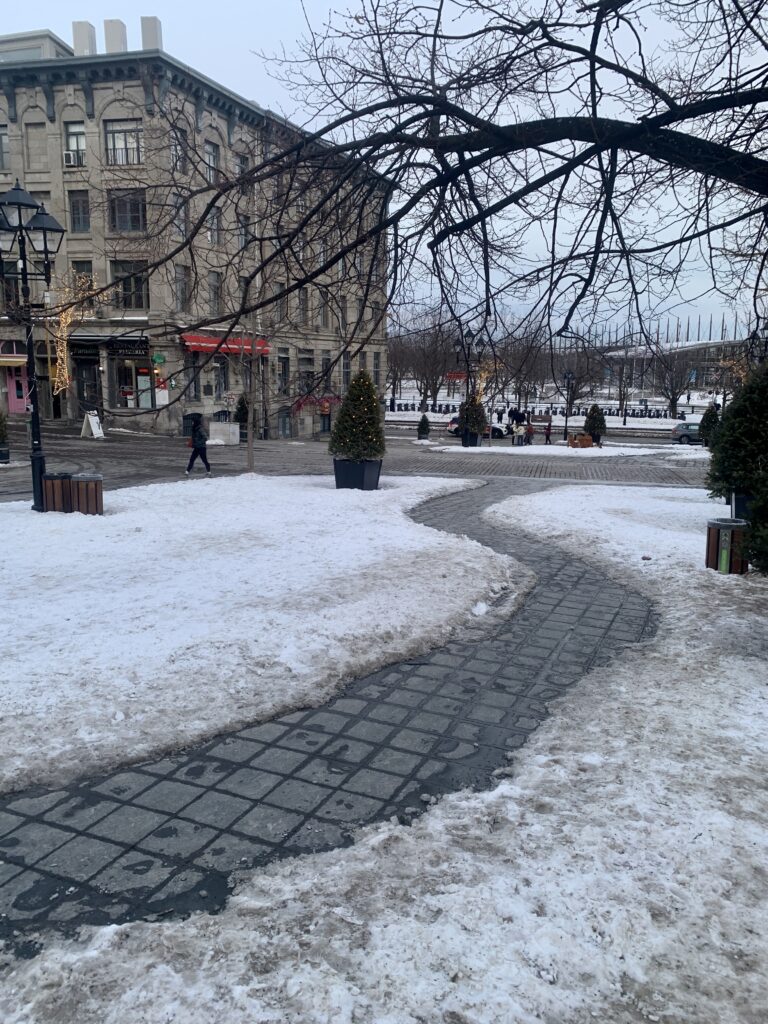
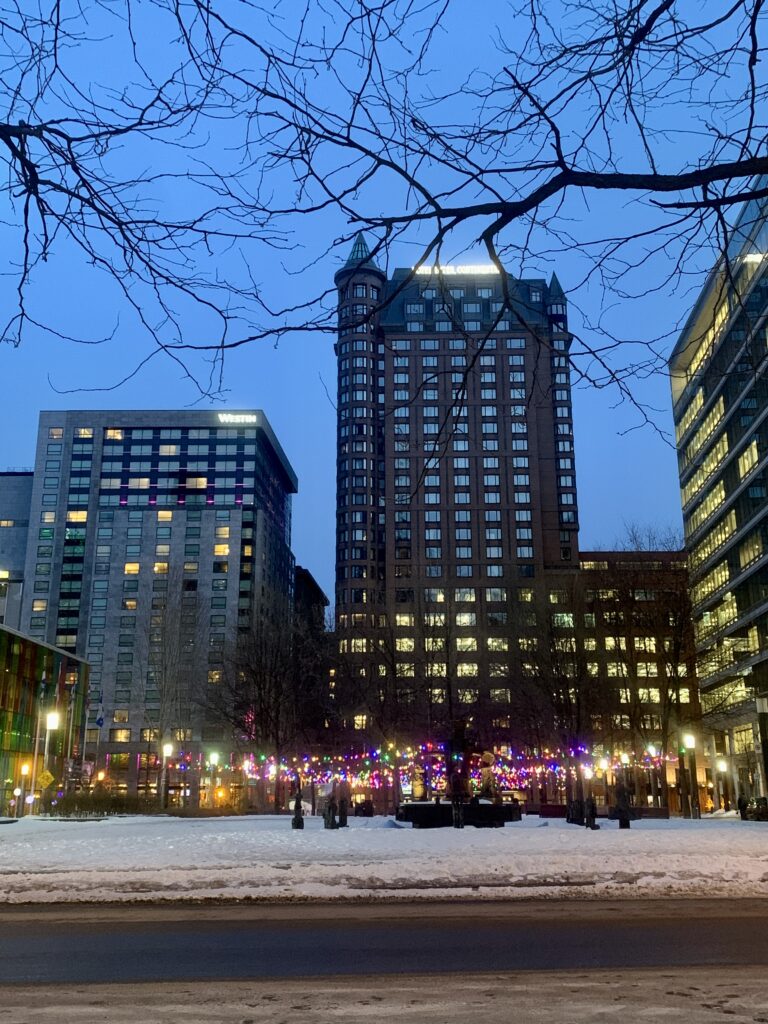
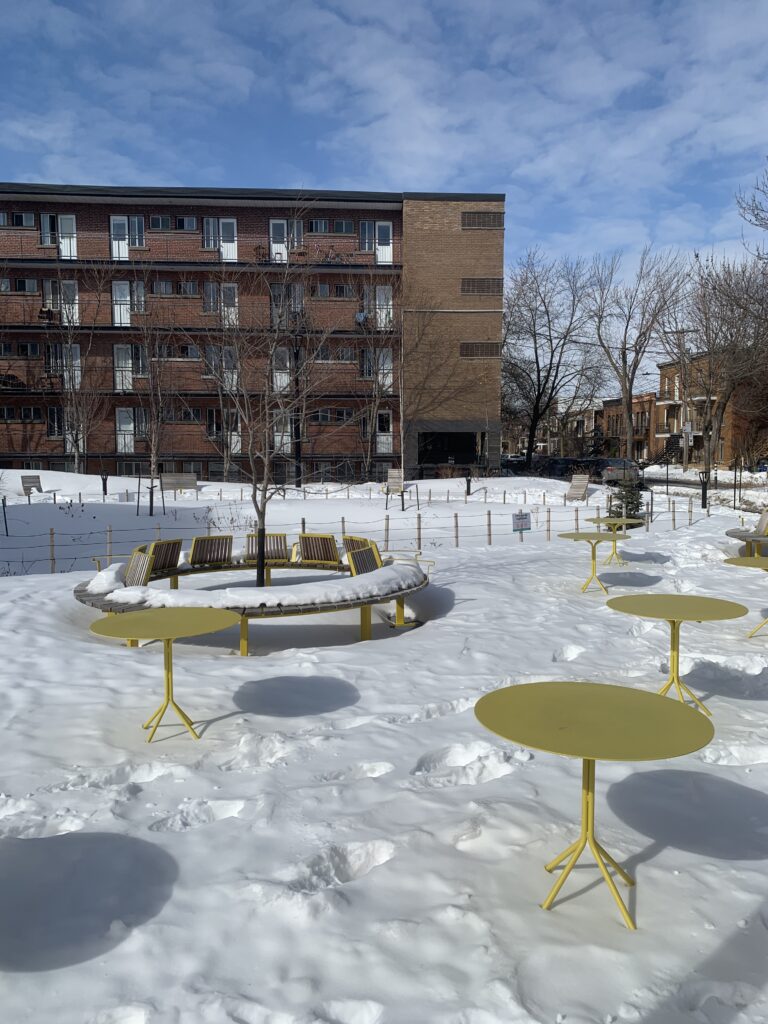
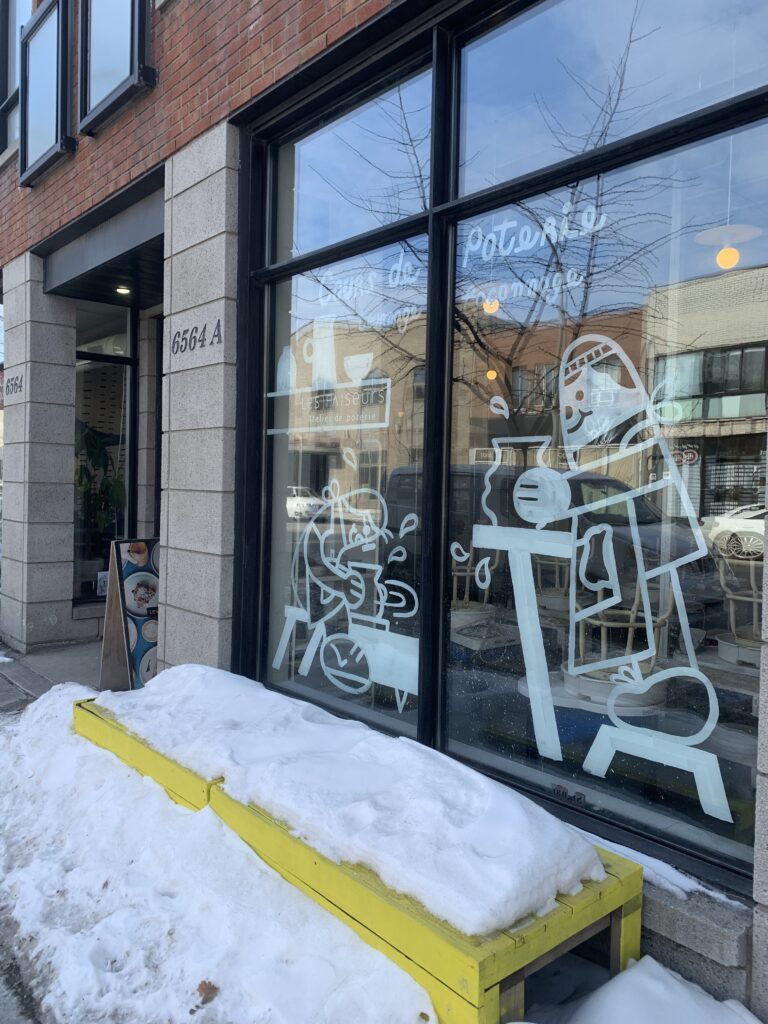
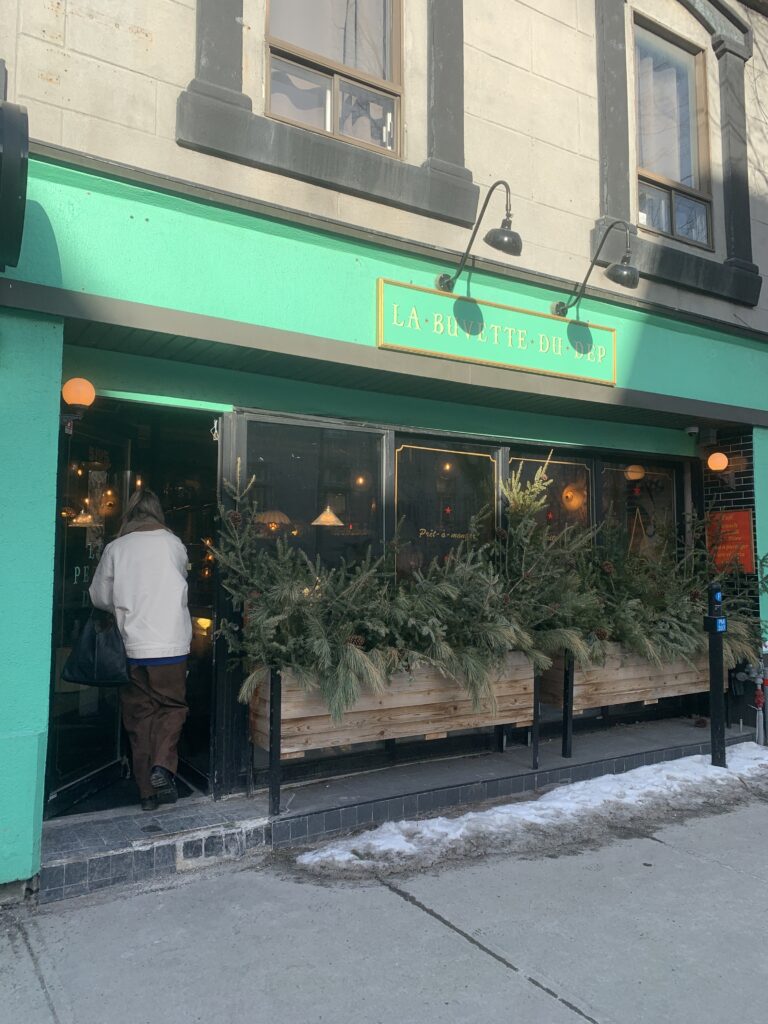
Walking around, I was impressed by how deeply winter is woven into the fabric of the city. Streets were well cleared, (also for pedestrians, at least to my experience) yet benches and public furniture remained outside shops for example, just waiting patiently under their blankets of snow for the next sunny moment and a passing customer. Fun and eye-catching shop fronts with ever green plants. Light installations were scattered across the centre, bike lanes were well maintained, and city bikes rolled on with their studded winter tyres. And then there were the Lumino installations and artworks, quietly enriching the urban environment around every corner.
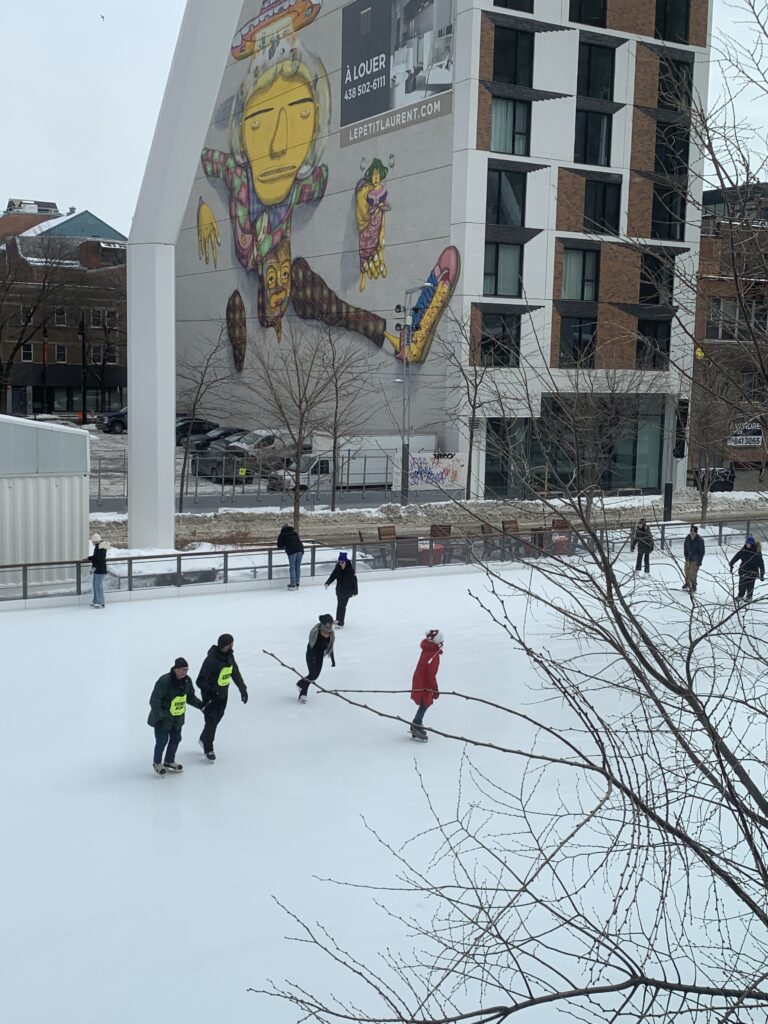
One of the key highlights for me were the ice rinks right in the heart of the city. Not tucked away in a sports facility, but placed where people actually are — an attraction, a social hub, an essential part of winter urban life. I also heard about the ski lanes and inspiring winter programming on St Helen’s Island but have to leave the visit until next time.
All of these smaller and bigger discoveries created a nice backdrop for the Lumino Pro symposium experience and discussions.
The Power of Ten — as seen in Esplanade Tranquille
The symposium itself took place at the Esplanade Tranquille Pavilion — a location that is a living example of the “Power of Ten” principle: a place that gives you not one but many reasons to visit, stay and linger a little longer.
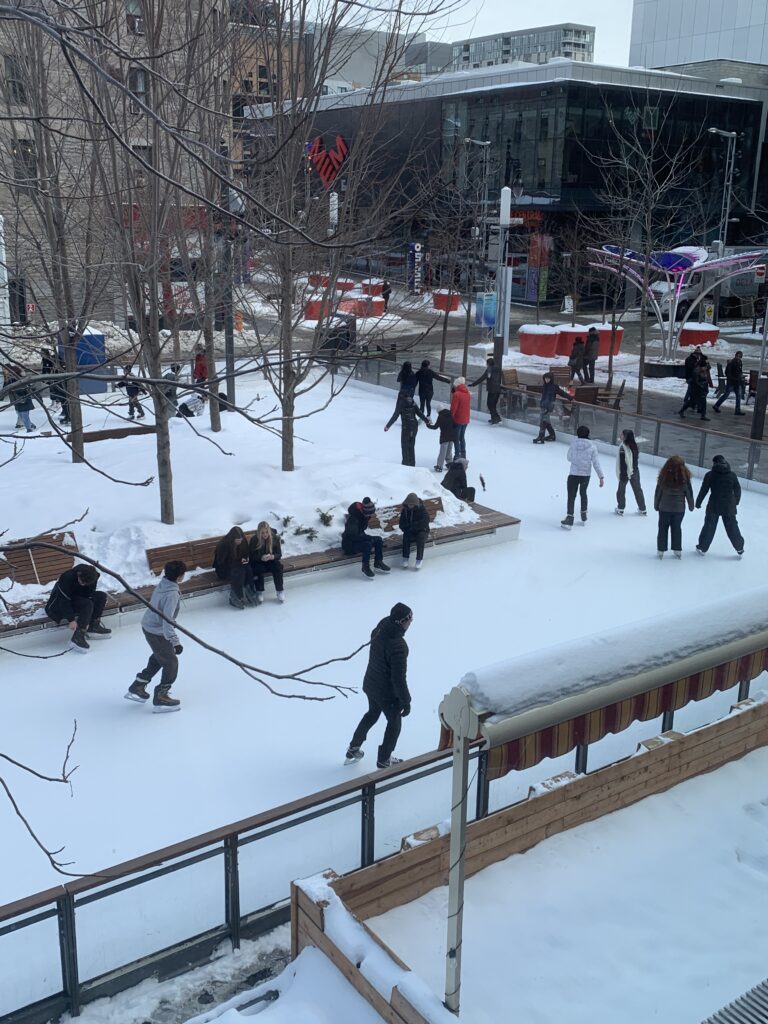
With the ice rink right outside, the symposium beautifully blended indoor and outdoor space. Glancing out at the rink between sessions became its own kind of inspiration — a constant, real-life reflection of everything we were discussing inside.
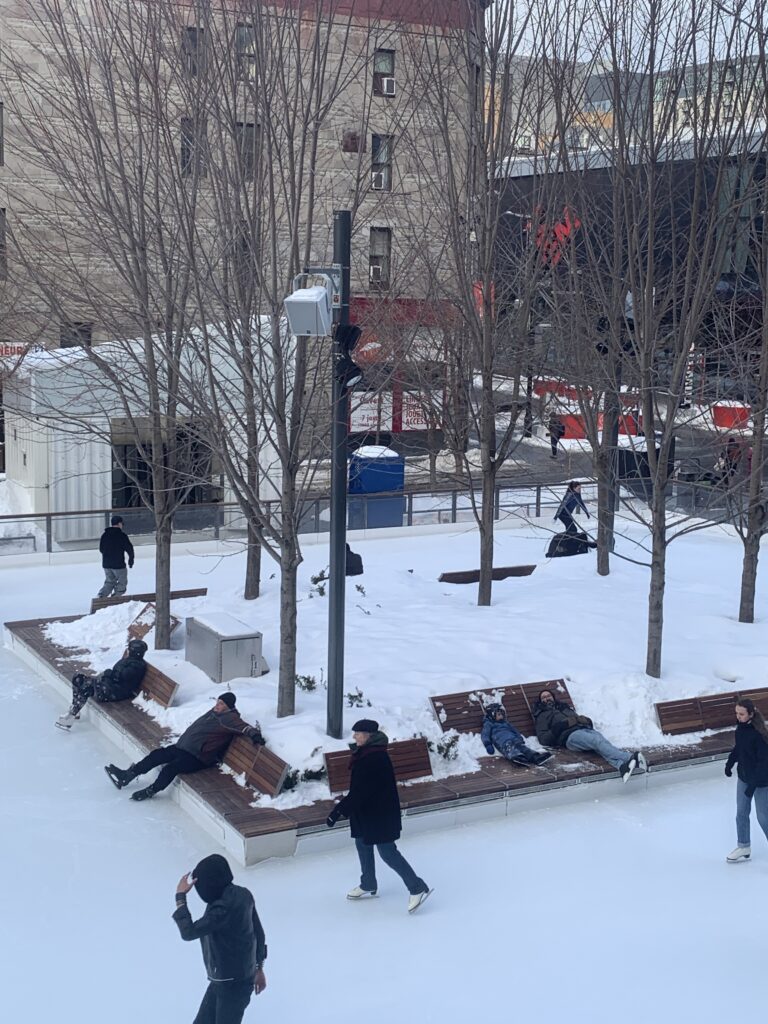
People were skating, of course — but also sitting down (a reminder that seating belongs at every ice rink!), stopping by for some people watching, taking photos, listening to music and dropping into the café, with no obligation to buy anything. The rink felt genuinely inclusive and inviting: beginners wobbling alongside confident skaters, the edge of the rink offering a steady hand to anyone who needed it. All levels, all ages, all welcome. Access to the rink is free and ice-skates can be rented.
One moment stayed with me: during the day I spotted visually impaired skaters on the ice, each with a guide, both wearing high-visibility vests and holding a lead to maintain a safe distance. Something I have never seen in Finland – and true signal of a welcoming activity for all.
And then there was the cosy café with its fireplace, bringing that unmistakable “after ski” warmth to the whole experience. As one of the speakers perfectly put it — the “after skate” mood deserves just as much careful thought as the skating itself.
Winter Placemaking is by Default a Creative Practice
Ever-changing weather conditions push planners and designers to be adaptable and experimental — or at least, in the best cases, they do. But winter also brings very concrete challenges: zigzagging temperatures make it genuinely difficult to maintain ice rinks and ski tracks in good condition, demanding constant problem-solving and flexibility.
In my keynote, and later on the panel, I focused on the everyday urban experience and participatory planning. How can we improve the quality of public space no matter where in the city people are? How do we weave a network of good public spaces — at different scales — that supports the urban vision and the city as a whole?
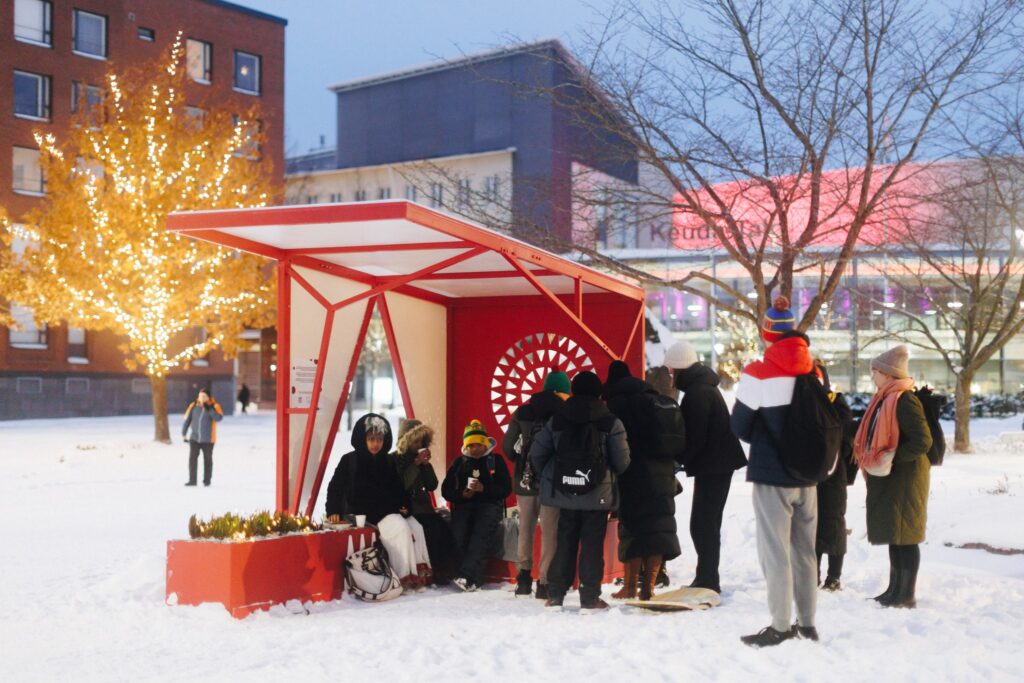
I also wanted to flip a common question on its head. We often ask how to make places more lively in the way we can in summer — but what if we built a completely different framework for winter? And what if we looped ideas and experiments from winter back into summer thinking?
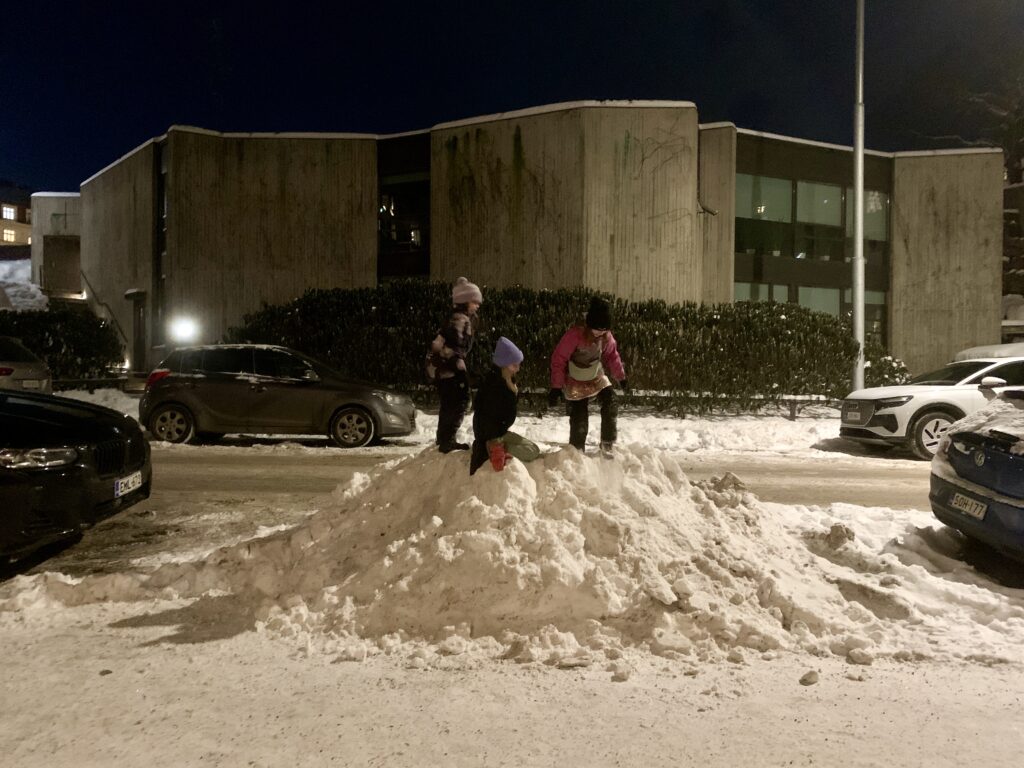
Here is one example from Helsinki: in winter, 250 parking spaces are removed from calmer residential streets. The result — almost by accident — is tens of additional snowpiles that children play on, on their way to and from school. Little mountains of joy, created by necessity. So the question I wanted to leave with the audience was: could we dedicate some of those same parking spaces to gathering and play in the summer too? The space is already there. We just need the courage to use it differently.
Shaping Places, Shaping Attitudes — Accessibility and Even Language
The symposium was packed with inspiring talks and insightful presentations — far too many to recap in a single blog post. Thankfully, the symposium has a wonderful practice of producing a handbook gathering all the content and key findings. You’ll find the link below.
For me personally, one of the real eye-openers was the way the Ice Hotel in Sweden frames its entire project around the journey of water: flowing river, ice harvesting, shaping, and then the inevitable melt — returning everything back to the river. It’s a strikingly poignant way to think about the material quality and very essence of ice, beautifully presented by Luca Roncoroni.
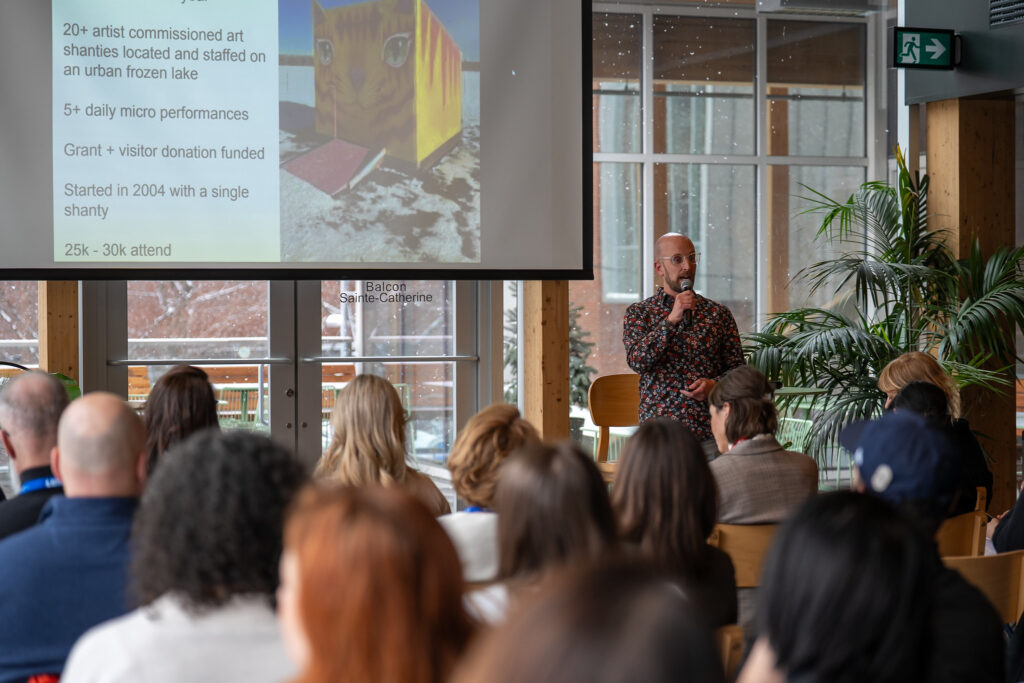
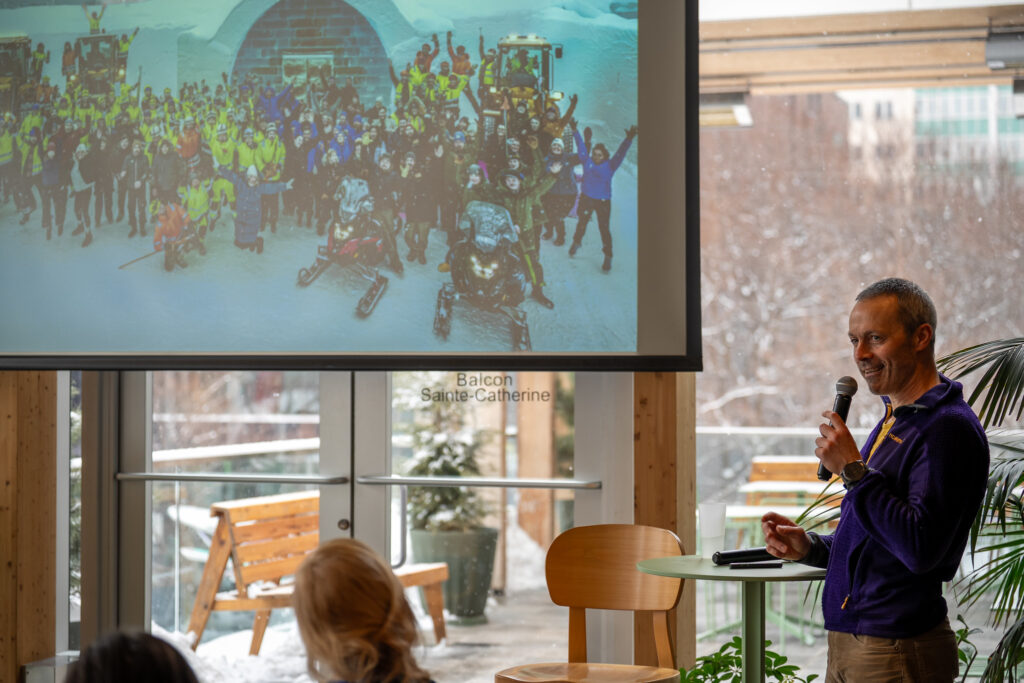
A lighter but equally powerful discovery: we should be changing attitudes through language too. Instead of “misery” and “no going outside,” it’s about embracing the joy of winter weather and simply dressing for it. A small shift in framing — but it matters.
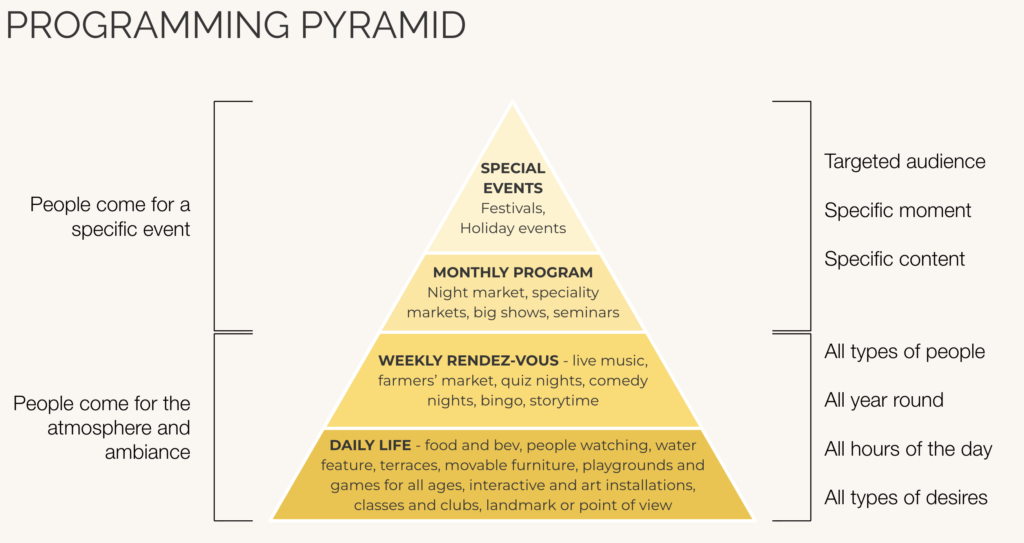
Jerome Barth offered an important reminder: while we design experiences and special programmes, it is the everyday life of a place that must remain the foundation. The extraordinary should grow from the ordinary, not replace it.
Max Musicant brought vivid experiences from Minneapolis, where joyful winter events and experiments, when programmed with placemaking-methods have the power to bring people together – and how the freezing temperatures have not stopped the community from defending democracy – a powerful reminder of many meanings of public space.
Canadian cities like Edmonton and Toronto — and of course Montreal — showed just how deeply winter can be woven into a city’s character and identity, and how much thoughtful, year-round programming makes all the difference.
To round things off, I asked a few fellow experts for their own key takeaways. Here is what they had to say:
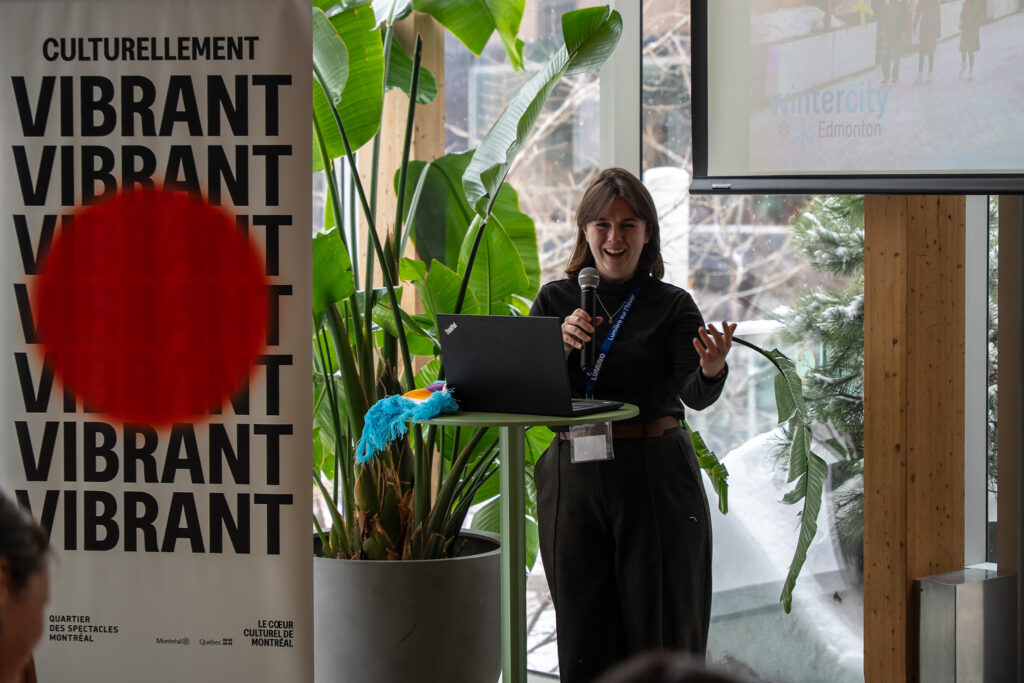
Madeleine Stout, Winter city planner, City of Edmonton
“Attending Lumino Pro reinforced that winter is a strategic asset for social connection, cultural celebration, and economic development, not just a problem to solve. I’m particularly excited to bring back strategies that bridge creative placemaking and economic development to Edmonton. More than anything, I feel deeply heartened by the community of artists and placemakers whose work is celebrating winter around the world.”
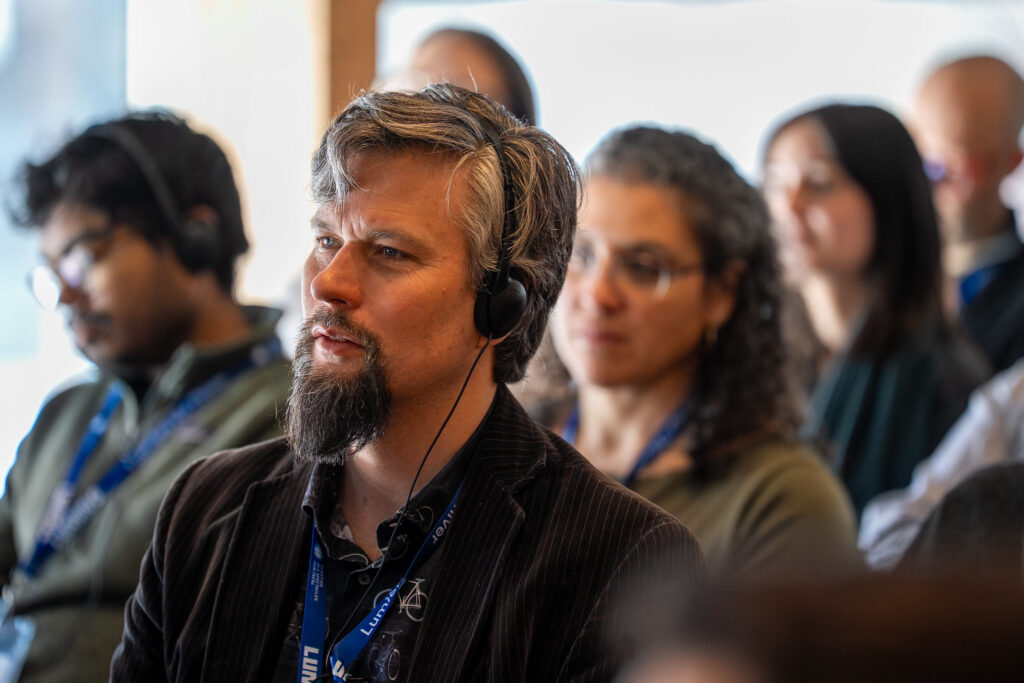
Ethan Kent
Executive Director, PlacemakingX
“10 years ago Placemaking leaders from across Canada gathered in Montreal to form Placemaking Canada, one of the first placemaking networks. This time leaders from across Canada, and internationally, gathered for a pioneering #WinterPlacemaking conference, learning from Montreal’s great leadership on the topic.
Winter is a time when loneliness, isolation, and depression tend to peak, so the creativity, connection and light that Placemaking in the dark and cold can bring about is of great importance. Montreal and the dozens of extraordinary international leaders at this 3-day gathering are showing the way forward.”
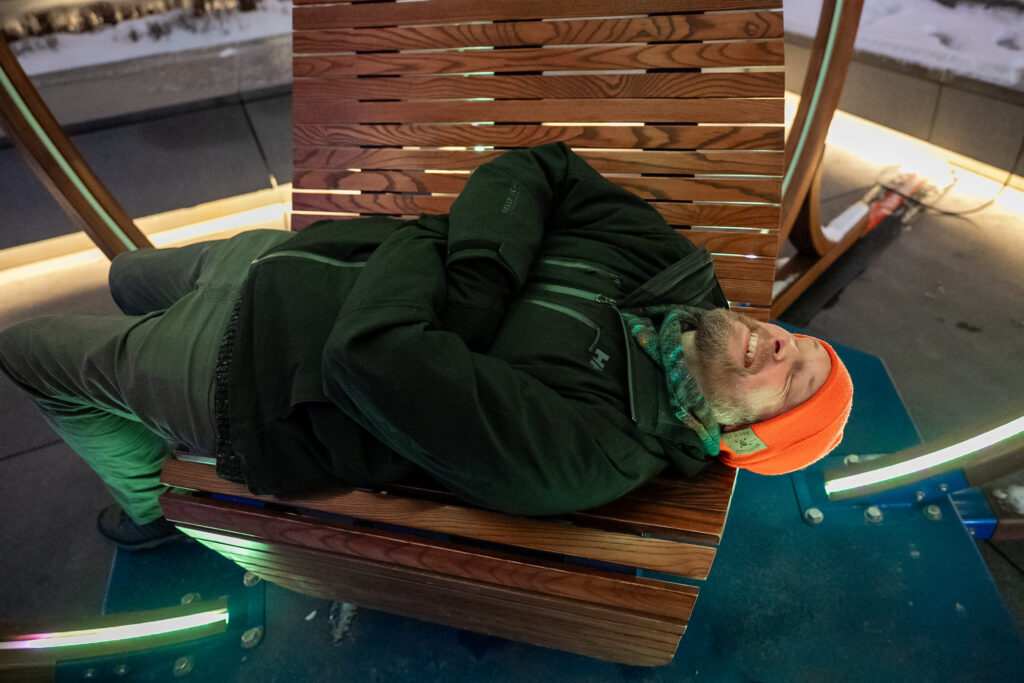
Thomas Maguire, Senior Urban Designer at Evergreen Canada
“Montreal is doing such a fantastic job inviting people to connect with each other and spend time outside in the city. From their bustling Zone Lenteurs (Slow Streets) in the Summer to their spellbinding Winter activations with Lumino in the Quartiers des Spectacles. Most importantly, Montreal is very focused on having these programs and major festivals free and accessible to the public. Montreal is a city leading with accessibility as the invitation to participate.”
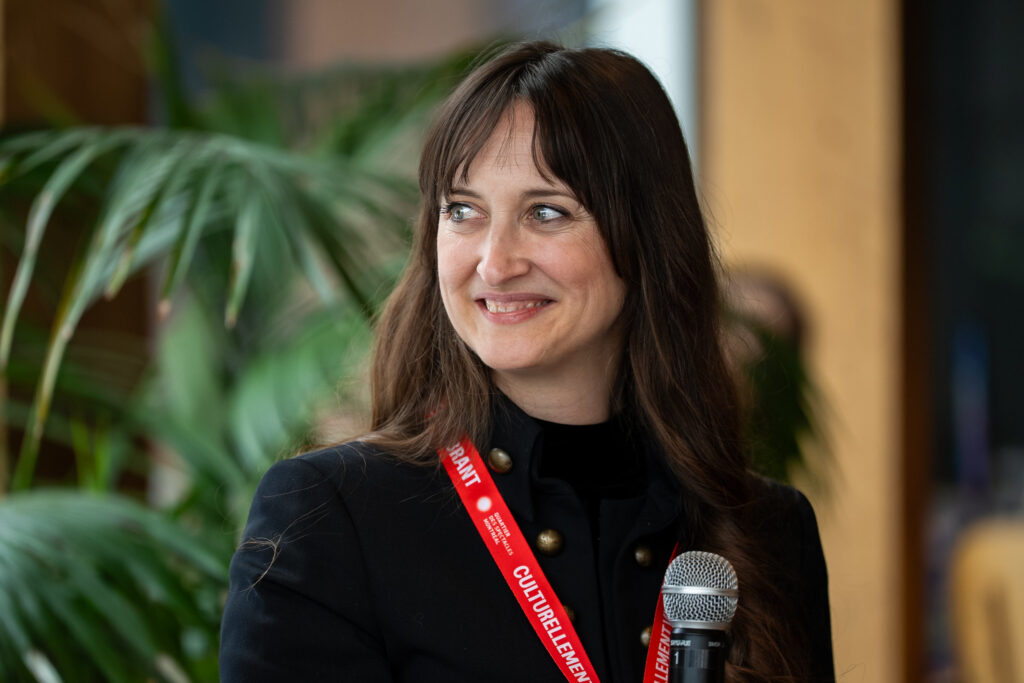
Jacquelyn West, Senior Advisor / Public Realm and Project Development / Quartier Des Spectacles International
“While I feel I gathered insights and learnings from every exchange with world winter experts, I particularly was impacted by Peter Hargraves, who reminded me that ambition, experimentation and boldness are everything — sometimes you just have to try. Madeleine Stout captured something I felt deeply too: a powerful sense of truly embracing and appreciating winter, and how to create that wave of enthusiasm in others. Max Musicant’s workshop proposed a clear, practical framework for turning inspiration into action.
Sometimes conferences offer top-down learning. A symposium is different — you are surrounded by peers who share the same passion. The richness comes from the array of lived experiences in the room, and you leave with something truly tangible that you can put into practice.”
About the author:
Päivi Raivio is an urban designer and placemaking expert working at the intersection of place-led development, urban experimentation, strategy and creative urbanism. She is a co-founder of RaivioBumann, an urban design & creative studio, and Parkly, an urban furniture company dedicated to transforming public spaces.
Lumino Pro recap video:
Meet the speakers and read more about their key points
Conference report
Look back on the symposium
Warm thank you for Quartier Des Spectacles International for the invitation and for the travel support by the Québec Government Office in London
Article photos by
Päivi Raivio and Rémi Hermoso, Quartier des spectacles, Montréal